

Why Imperfection is the Ultimate Design Feature
Modern architecture spent a long time chasing the perfect straight line. We saw decades of flat render, composite cladding, and seamless glass. While these materials have their place, they can leave a building feeling sterile or cold.
There has been a shift recently, with architects and homeowners moving back toward materials that feel grounded and tactile. They are looking for "perfect imperfection."
This is why we are seeing such a resurgence in the demand for handmade bricks and artisan clay products.

The Search for Character
When you look at a heritage building, you rarely see a flat, single-colour wall. You see distinct variations in tone and shape. The light catches the surface differently at 8am than it does at 5pm.
This is the aesthetic designers are trying to recapture.
People often search for handmade bricks to escape the monotony of mass-produced masonry. They want a brick that looks like it was made by a person, not a robot.
While modern manufacturing ensures structural consistency, the goal at Krause Bricks is to retain that artisan soul. We want the clay to speak. We want the firing process to leave its mark on the product.
Clay vs. Concrete
Unlike standard concrete bricks, which are cast in identical molds to ensure a sterile, industrial uniformity, clay bricks possess a natural "soul" born from the kiln. Concrete is essentially a recipe of cement and aggregate designed to be predictable and flat; it lacks the organic reaction to heat that clay provides. When clay is fired, the minerals within the earth react to the flames, creating a rich, tonal tapestry where no two bricks are identical. This artisanal variety creates a tactile surface that concrete simply cannot replicate - a living facade that catches the light with depth and nuance, rather than a repetitive, mass-produced pattern.
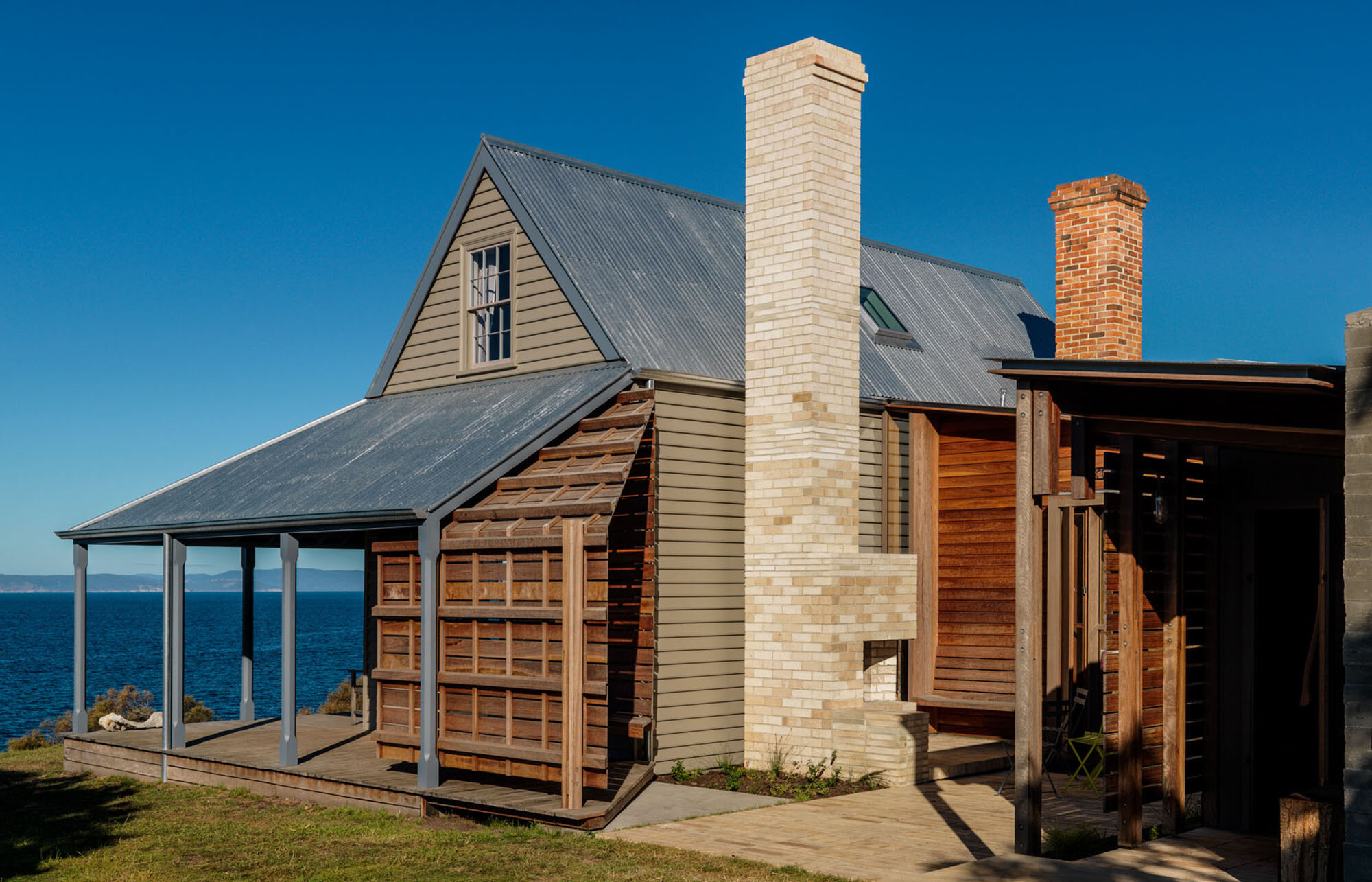
The Extremes of Texture: Clinker Bricks
If you want to see just how valuable "imperfection" has become, look at the revival of clinker bricks.
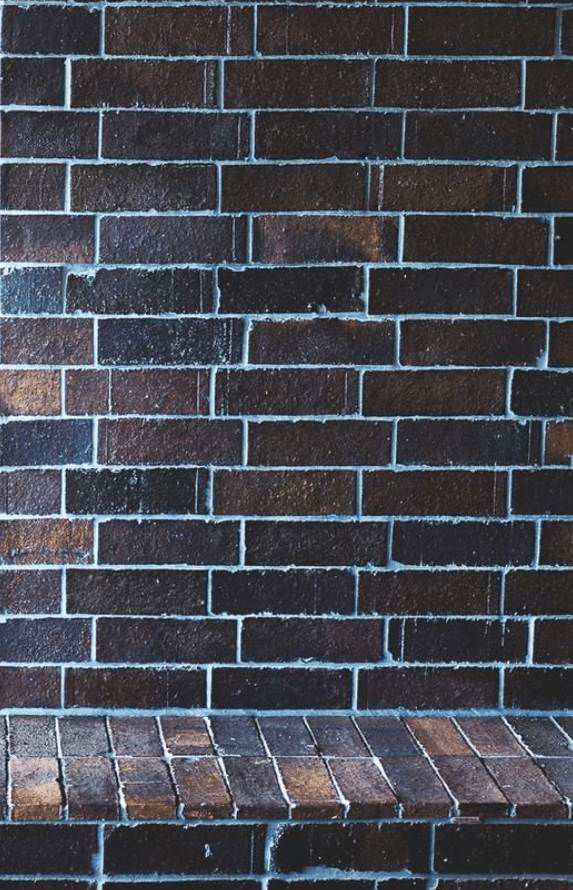
Historically, clinkers were the waste product of the kiln. They were the bricks that got too close to the fire. They became distorted, darkened, and sometimes twisted by the intense heat. Builders used to throw them away.
Now, clinker bricks are prized for that exact reason. Their blackened, vitrified surfaces and irregular shapes add an incredible amount of drama and history to a project. They turn a wall into a piece of art.
Using Texture in Your Project
You don't need to use a distorted clinker to get texture. You just need to choose a brick that has not been pressed into total submission.
Shadow Lines: A brick with a rough or wire-cut face will hold shadows. This adds depth to the facade.
Colour Variation: Instead of a flat grey, look for bricks that have "burns" or tonal shifts from the kiln.
Jointing: As we mentioned in our installation guide, the mortar joint plays a huge role. A flush joint softens the wall. A raked joint highlights the individual shape of the brick.
The Bottom Line
Your project should have a pulse.
Whether you are looking for the natural look of handmade bricks, you want a material that feels real and unique.
Avoid the flat, the monotonous and the fake. Choose a brick made from natural clay that brings texture to the table.